Carnivore Brisket Recipe – The Slow-Cooked Comfort Food My Family Couldn’t Stop Talking About
There are some meals that instantly make a house feel warm and welcoming, and this Carnivore Brisket Recipe is one of them. It’s rich, tender, incredibly juicy, and requires very little hands-on work. If you love simple recipes that let quality meat shine, this slow-cooked brisket is one you’ll want to make again and again.
I first tried making brisket after my brother recommended his favorite slow-cooking method. He told me that brisket doesn’t need a long list of seasonings to be delicious—it just needs time, patience, and a little love. At first, I wasn’t sure such a simple recipe could produce such incredible flavor, but he was absolutely right.
Last weekend, I decided to make it for my family. I started early in the morning, seasoned the brisket with nothing more than salt, and placed it in the oven to cook low and slow. As the hours passed, the aroma of roasting beef filled every corner of the house. Everyone kept wandering into the kitchen asking, “Is it ready yet?”
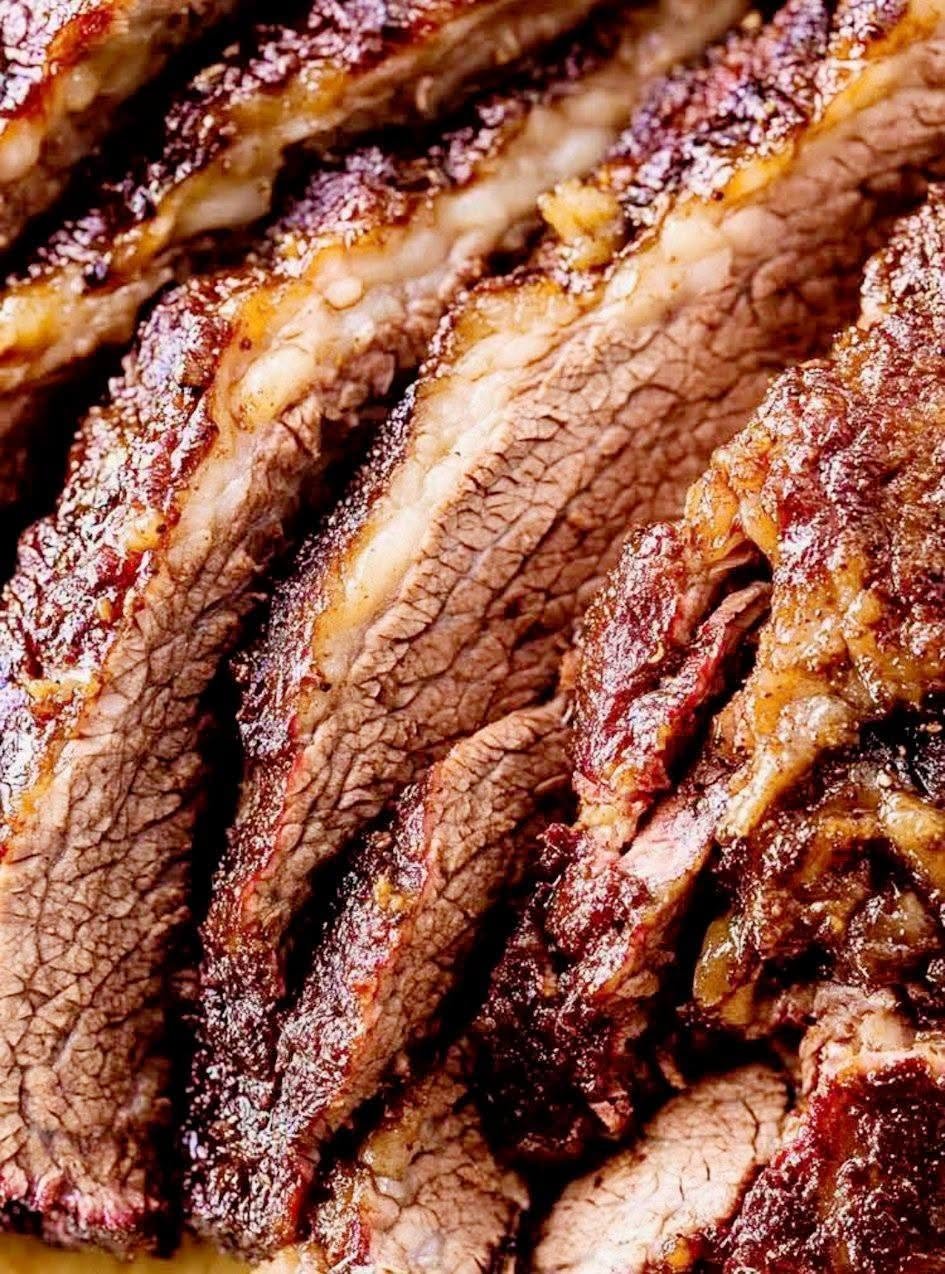
When it finally came out of the oven, it was beautifully browned on the outside and fork-tender on the inside. After letting it rest, I sliced it against the grain, and the meat practically melted in our mouths. My husband couldn’t stop talking about how juicy it was, my parents asked for seconds, and even my kids, who usually prefer burgers, happily cleaned their plates.
Now, this brisket has become one of my favorite recipes whenever I’m hosting family on the weekend, celebrating a special occasion, or simply craving comforting, hearty food. While I personally enjoy including a variety of foods in my diet, this recipe is a satisfying option for those following a carnivore or very low-carb lifestyle.
If you’re looking for a foolproof brisket that’s tender, flavorful, and surprisingly easy to make, this recipe is sure to become a favorite.
Why You’ll Love This Carnivore Brisket
Minimal Ingredients
The beef is the star of the recipe.
Tender Every Time
Slow cooking transforms brisket into melt-in-your-mouth perfection.
High in Protein
A filling, satisfying main dish.
Perfect for Meal Prep
Leftovers taste just as delicious.
Family-Friendly
Simple flavors that everyone can enjoy.
Great for Gatherings
Ideal for holidays, weekend dinners, and special occasions.
What Is Carnivore Brisket?
Brisket is a flavorful cut of beef from the lower chest of the cow. Because it contains a lot of connective tissue, it benefits from slow cooking at a low temperature. Over several hours, the collagen breaks down, creating meat that’s juicy, tender, and easy to slice or shred.
For a carnivore-style version, the brisket is seasoned simply with salt (and optionally butter or beef tallow), allowing the natural flavor of the beef to stand out.
Ingredients
For the Brisket
- 4–5 pounds beef brisket
- 2 teaspoons fine sea salt (or to taste)
- 2 tablespoons beef tallow or unsalted butter (optional)
Optional for Serving
- Melted butter
- Beef drippings from the pan
Ingredient Notes
Beef Brisket
Choose a brisket with good marbling, as the fat helps keep the meat moist during the long cooking process.
Salt
Simple seasoning enhances the natural beef flavor without overpowering it.
Beef Tallow
Brushing the brisket with tallow before cooking adds richness and helps develop a flavorful crust.
Kitchen Equipment Needed
- Large roasting pan or Dutch oven
- Aluminum foil or a tight-fitting lid
- Meat thermometer
- Sharp carving knife
- Cutting board
Step-by-Step Instructions
Step 1: Preheat the Oven
Preheat your oven to 275°F (135°C).
Step 2: Prepare the Brisket
Pat the brisket dry with paper towels.
Trim any excessively thick surface fat, leaving about ¼ inch to keep the meat moist.
Rub the brisket evenly with salt. If using beef tallow or butter, spread it lightly over the surface.
Step 3: Place in the Roasting Pan
Set the brisket fat-side up in a roasting pan or Dutch oven.
Cover tightly with foil or a lid to help retain moisture.
Step 4: Slow Cook
Bake for 5–7 hours, depending on the size of the brisket.
The meat is done when it’s fork-tender and reaches an internal temperature of 195–205°F (90–96°C).
Step 5: Rest
Remove the brisket from the oven and let it rest, covered loosely with foil, for 20–30 minutes.
Resting allows the juices to redistribute throughout the meat.
Step 6: Slice
Using a sharp knife, slice the brisket against the grain into thin slices for the most tender texture.
Step 7: Serve
Spoon some of the pan juices over the sliced brisket and serve immediately.
Expert Tips for the Perfect Brisket
Cook Low and Slow
Patience is the secret to tender brisket.
Don’t Rush the Resting Time
Resting keeps the meat juicy when sliced.
Slice Against the Grain
This shortens the muscle fibers and makes every bite more tender.
Use a Meat Thermometer
Temperature is a more reliable guide than cooking time alone.
Delicious Variations
Butter-Brushed Brisket
Brush with melted butter during the last 30 minutes of cooking for extra richness.
Smoked Carnivore Brisket
Cook the brisket in a smoker at 225–250°F (107–121°C) until it reaches the same internal temperature.
Crispy Burnt Ends
Cube leftover brisket and roast until the edges become caramelized and crisp.
Shredded Brisket
Instead of slicing, shred the meat and mix it with the cooking juices for an easy meal.
What to Serve with Carnivore Brisket
For a strict carnivore meal:
- Fried eggs
- Beef bone broth
- Crispy beef fat trimmings
- Butter
For a low-carb meal:
- Roasted mushrooms
- Cauliflower mash
- Grilled asparagus
- Green salad
Storage Instructions
Refrigerator
Store leftovers in an airtight container for up to 4 days.
Freezer
Freeze sliced or shredded brisket for up to 3 months.
Reheating
Warm gently in a covered baking dish with a little of the reserved pan juices or melted butter to prevent drying out.
Nutritional Benefits
Brisket is an excellent source of:
- High-quality protein
- Iron
- Zinc
- Vitamin B12
- Selenium
The fat content also makes it a satisfying option for people following low-carb or carnivore eating patterns.
Frequently Asked Questions
Can I use a slow cooker instead of the oven?
Yes. Cook on low for 8–10 hours or until the brisket is fork-tender.
Why is my brisket tough?
It likely needs more cooking time. Brisket becomes tender only after the connective tissue has fully broken down.
Should I trim all the fat?
No. Leave a thin layer of fat to help keep the meat moist during cooking.
Can I make this ahead of time?
Absolutely. Many people find brisket tastes even better the next day after the flavors have settled.
How do I know when it’s done?
The brisket should reach 195–205°F (90–96°C) and be easy to pierce with a fork.
Can I freeze leftovers?
Yes. Wrap portions tightly and freeze for up to three months.
Why do I need to slice against the grain?
It shortens the muscle fibers, making the meat much more tender and easier to chew.
Can I cook brisket faster at a higher temperature?
You can, but low-and-slow cooking produces the best texture and tenderness.
What if I don’t have beef tallow?
Butter works well, or you can simply cook the brisket with salt alone.
Can I use the pan juices?
Definitely. Spoon them over the sliced brisket to add moisture and rich beef flavor.
Final Thoughts
This Carnivore Brisket Recipe has become one of those meals my family looks forward to every time I make it. After cooking it for everyone last weekend and seeing empty plates all around the table, I was reminded that the simplest recipes are often the most memorable.
With just a quality cut of beef, a little salt, and plenty of patience, you can create a brisket that’s tender, juicy, and packed with natural flavor. Whether you’re following a carnivore lifestyle, eating low-carb, or simply love slow-cooked beef, this recipe is a comforting classic that’s well worth the wait.
It’s hearty, satisfying, and proof that sometimes less really is more.