Semana Santa 2025 Meaning Traditions Travel and Spiritual Reflection in a Changing World

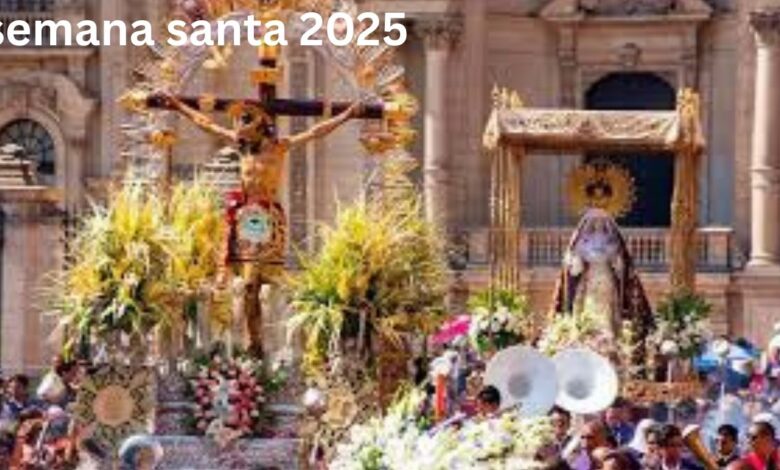
Semana Santa 2025 will be one of the most significant religious and cultural moments of the year for millions of people around the world. Deeply rooted in Christian tradition, Holy Week commemorates the final days of Jesus Christ’s life, from his entry into Jerusalem to his crucifixion and resurrection. Beyond its religious importance, Semana Santa has also become a powerful expression of cultural identity, historical continuity, and collective memory, especially in Spain, Latin America, and other regions influenced by Catholic heritage.
In 2025, Semana Santa takes place during the heart of spring in the Northern Hemisphere, a season symbolically linked to renewal, rebirth, and hope. This natural alignment reinforces the spiritual message of Easter and gives the celebrations a unique emotional atmosphere. Streets fill with processions, churches become centers of reflection, families gather, and entire cities slow their pace to honor traditions that have been passed down for centuries.
This article offers a deep and comprehensive look at Semana Santa 2025, exploring its origins, religious meaning, major days, cultural expressions, global celebrations, travel considerations, and its relevance in modern society.
The Historical Origins of Semana Santa
The roots of Semana Santa date back to the earliest centuries of Christianity. After the crucifixion of Jesus Christ, his followers began commemorating the events of his Passion, Death, and Resurrection as a way to preserve the core message of their faith. Over time, these commemorations evolved into a structured liturgical calendar centered around Holy Week.
By the fourth century, once Christianity was legalized within the Roman Empire, public rituals and liturgies became more elaborate. Pilgrimages to Jerusalem inspired symbolic reenactments of biblical events in other regions. As Christianity spread across Europe and later to the Americas, local cultures infused their own artistic, musical, and social elements into Holy Week celebrations.
In Spain, the development of Semana Santa was especially influenced by medieval religious brotherhoods. These confraternities organized public acts of penance and devotion, which eventually became the iconic processions known today. The Spanish colonization of Latin America carried these traditions overseas, where indigenous influences enriched them further.
Semana Santa 2025 continues this long historical journey, reflecting both continuity and transformation in how faith is expressed publicly.
The Religious Meaning of Holy Week
At its core, Semana Santa is a time of deep spiritual reflection. It marks the most sacred period of the Christian liturgical year, focusing on sacrifice, redemption, and divine love. Each day of Holy Week carries a specific theological meaning that invites believers to meditate on different aspects of Christ’s final journey.
The week begins with Palm Sunday, which commemorates Jesus’ triumphant entry into Jerusalem. This moment symbolizes humility and the paradox of a king who arrives not in power, but in peace. As the week progresses, the tone shifts from celebration to introspection, culminating in the solemn remembrance of the crucifixion on Good Friday.
The emotional arc of Holy Week reaches its climax with Easter Sunday, when Christians celebrate the resurrection. This event represents victory over death and the promise of eternal life. In Semana Santa 2025, churches around the world will once again guide believers through this spiritual journey, blending scripture, ritual, and communal prayer.
Palm Sunday and the Beginning of Semana Santa 2025
Palm Sunday sets the stage for the entire week. On this day, churches reenact Jesus’ entry into Jerusalem as crowds welcomed him with palm branches. In many countries, worshippers carry blessed palms or olive branches, which are later kept in homes as symbols of protection and faith.
During Semana Santa 2025, Palm Sunday will once again combine joy and forewarning. While the atmosphere is festive, the readings already hint at the suffering to come. This duality encourages believers to reflect on the fleeting nature of human praise and the deeper meaning of true discipleship.
In cities with strong Holy Week traditions, Palm Sunday processions attract thousands of participants and spectators. The streets become open-air sanctuaries where faith is expressed collectively and publicly.
Holy Thursday and the Meaning of Service
Holy Thursday commemorates the Last Supper, during which Jesus shared bread and wine with his disciples and instituted the Eucharist. It is also the day when he washed the feet of his followers, offering a powerful lesson in humility and service.
In Semana Santa 2025, Holy Thursday will be marked by special evening liturgies known for their solemn beauty. Many churches recreate the foot-washing ritual, reminding participants that leadership in Christianity is rooted in compassion and self-giving.
After the Mass, altars are stripped bare, and the atmosphere becomes one of quiet vigilance. This symbolic emptiness reflects the abandonment Jesus experienced before his arrest and prepares believers for the gravity of the following day.
Good Friday: A Day of Silence and Reflection
Good Friday is perhaps the most emotionally intense day of Semana Santa. It commemorates the crucifixion and death of Jesus Christ, an event central to Christian theology. Unlike other days, no Mass is celebrated. Instead, churches hold services focused on scripture readings, veneration of the cross, and solemn prayers.
In many countries, Good Friday processions are deeply moving. Participants often walk in silence, accompanied by slow, mournful music. Statues depicting scenes of the Passion are carried through the streets, inviting spectators to contemplate suffering, injustice, and sacrifice.
During Semana Santa 2025, Good Friday will continue to serve as a countercultural moment in a fast-paced world. It invites stillness, empathy, and an honest confrontation with pain, both personal and collective.
Holy Saturday and the Space Between
Holy Saturday is a day of waiting and quiet hope. It represents the time Jesus lay in the tomb, and the world seemed suspended between despair and promise. Liturgically, it is a day without public celebration until nightfall.
The Easter Vigil, held after sunset, is one of the most important services of the year. It begins in darkness and gradually moves into light, symbolizing the resurrection. Fire, water, and candlelight play central roles, creating a powerful sensory experience.
In Semana Santa 2025, the Easter Vigil will once again mark the transition from mourning to joy, reminding believers that transformation often emerges from silence and patience.
Easter Sunday and the Celebration of Life
Easter Sunday concludes Semana Santa with a message of joy and renewal. It celebrates the resurrection of Jesus Christ, the foundation of Christian faith. Churches are filled with light, music, and flowers, reflecting the triumph of life over death.
For many families, Easter Sunday is also a time of reunion and celebration beyond the church walls. Shared meals, traditional foods, and festive customs vary by region but share a common theme of gratitude and hope.
In the context of Semana Santa 2025, Easter Sunday carries particular resonance as communities worldwide continue to seek meaning, resilience, and unity in uncertain times.
Semana Santa in Spain: Tradition and Identity
Spain is internationally renowned for its Semana Santa celebrations. Cities such as Seville, Málaga, Valladolid, and Zamora transform into living museums of faith and art during Holy Week. Elaborate processions organized by centuries-old brotherhoods move slowly through historic streets, accompanied by incense and sacred music.
The visual impact of Spanish Semana Santa lies in its attention to detail. Sculptures, often masterpieces of religious art, are carried on large platforms by teams of bearers. Participants wear traditional robes and hoods, symbols of penance and devotion.
Semana Santa 2025 in Spain is expected to attract both pilgrims and cultural travelers. While the religious meaning remains central, the celebrations also serve as a powerful expression of regional identity and historical continuity.
Semana Santa in Latin America: Faith and Cultural Fusion
In Latin America, Semana Santa reflects a unique blend of Catholic tradition and indigenous heritage. Countries such as Mexico, Guatemala, Peru, and Colombia are known for their vibrant and deeply spiritual Holy Week observances.
In many regions, processions incorporate local music, dance, and artistic expressions. Streets are decorated with intricate designs made from colored sawdust or flowers, transforming entire neighborhoods into temporary works of art.
Semana Santa 2025 in Latin America will continue to showcase this cultural richness. The celebrations often extend beyond religious ritual, becoming communal events that strengthen social bonds and preserve ancestral traditions.
Semana Santa as a Time for Travel and Pilgrimage
For many people, Semana Santa is also a time to travel. Some seek spiritual pilgrimages, while others use the holiday period to explore destinations known for their Holy Week celebrations. This combination of devotion and tourism has made Semana Santa a significant economic and cultural phenomenon.
In 2025, travelers planning to experience Semana Santa should expect high demand in traditional destinations. Accommodations, transportation, and event access often require advance planning. At the same time, respectful engagement with local customs is essential, as these celebrations are deeply meaningful to host communities.
Semana Santa 2025 offers an opportunity to experience history, spirituality, and living tradition in a way few other events can provide.
The Role of Music, Art, and Symbolism
Art and music play a central role in Semana Santa. Sacred compositions, often performed live during processions or liturgies, create an atmosphere of reverence and emotion. Traditional instruments, choirs, and solemn rhythms guide the pace of the celebrations.
Visual symbolism is equally important. Colors, garments, candles, and religious images all carry specific meanings tied to themes of penance, sacrifice, and hope. These elements are not merely decorative but serve as visual theology, communicating complex beliefs through form and movement.
In Semana Santa 2025, both traditional and contemporary artistic expressions will continue to enrich the experience, demonstrating how faith can inspire creativity across generations.
Semana Santa in the Modern World
While rooted in ancient tradition, Semana Santa continues to evolve. Modern society presents new challenges and opportunities for how Holy Week is observed. Digital media, live broadcasts, and online participation have expanded access, allowing people who cannot attend in person to remain connected.
At the same time, there is a growing desire for authenticity and depth. Many people, even those who do not identify as religious, are drawn to Semana Santa for its contemplative nature and emotional resonance.
Semana Santa 2025 will reflect this balance between tradition and adaptation, offering spaces for both communal celebration and personal reflection.
Spiritual Reflection Beyond Religion
Although Semana Santa is fundamentally a Christian observance, its themes resonate beyond religious boundaries. Ideas of sacrifice, forgiveness, suffering, and renewal are universal human experiences.
For some, Semana Santa becomes a time to slow down, disconnect from routine, and reflect on life’s priorities. Acts of charity, silence, and introspection take on renewed significance during this period.
In this sense, Semana Santa 2025 can be meaningful even for those who approach it from a cultural or philosophical perspective rather than a strictly religious one.
The Lasting Impact of Semana Santa 2025
As Semana Santa 2025 unfolds, it will once again remind the world of the power of shared ritual and collective memory. In a fragmented and fast-moving global society, Holy Week offers a rare moment of pause and unity.
Whether experienced through prayer, art, travel, or quiet contemplation, Semana Santa continues to shape identities and values. Its enduring relevance lies in its ability to speak to the deepest questions of human existence.
Semana Santa 2025 is not only a commemoration of past events but also an invitation to renewal in the present. Through tradition and transformation, it remains one of the most profound and meaningful weeks of the year.