Mediterranean Diet & Recipes for Beginners
Starting the Mediterranean diet is easier than you might think. Rather than following strict rules or counting calories, this eating pattern focuses on enjoying wholesome, minimally processed foods like vegetables, fruits, whole grains, legumes, lean proteins, healthy fats, and fresh herbs. Inspired by the traditional cuisines of countries bordering the Mediterranean Sea, it’s a flexible and sustainable way to eat that emphasizes both flavor and balance.
If you’re new to the Mediterranean lifestyle, this beginner’s guide will help you understand the basics and introduce simple recipes to get you started.
What Is the Mediterranean Diet?
The Mediterranean diet centers around nutrient-rich, whole foods while limiting highly processed items and added sugars. Instead of restrictive meal plans, it encourages a balanced approach to eating that includes:
Plenty of vegetables and fruits
Whole grains
Beans, lentils, and chickpeas
Nuts and seeds
Extra virgin olive oil as the primary fat
Fish and seafood several times a week
Moderate amounts of poultry, eggs, yogurt, and cheese
Herbs and spices instead of excess salt
Water as the main beverage
Red meat and sweets can still be enjoyed occasionally, but they’re typically eaten less often.
Benefits of the Mediterranean Diet
Research has associated the Mediterranean diet with several potential health benefits, including:
Supporting heart health
Providing plenty of fiber for digestive health
Supplying healthy fats from olive oil, nuts, and fish
Encouraging a wide variety of vitamins and minerals
Helping maintain steady energy levels
Offering a flexible, long-term eating pattern that’s easy to enjoy
Mediterranean Pantry Essentials
Stocking your kitchen with a few staple ingredients makes preparing Mediterranean meals much easier.
Healthy Fats
Extra virgin olive oil
Olives
Avocados
Almonds
Walnuts
Pistachios
Vegetables
Tomatoes
Cucumbers
Spinach
Bell peppers
Zucchini
Eggplant
Broccoli
Leafy greens
Onions
Fruits
Apples
Oranges
Berries
Grapes
Figs
Lemons
Whole Grains
Brown rice
Quinoa
Farro
Bulgur
Whole wheat pasta
Whole grain bread
Protein
Salmon
Tuna
Shrimp
Chicken breast
Turkey
Eggs
Chickpeas
Lentils
Black beans
Dairy
Plain Greek yogurt
Feta cheese
Mozzarella
Parmesan cheese
Herbs and Seasonings
Garlic
Oregano
Basil
Rosemary
Thyme
Parsley
Dill
Paprika
Black pepper
Easy Mediterranean Recipes for Beginners
1. Greek Chicken Salad
A simple salad with grilled chicken, lettuce, cucumber, tomatoes, olives, feta cheese, and a lemon-olive oil dressing.
2. Lemon Herb Baked Salmon
Bake salmon with olive oil, garlic, lemon, oregano, and parsley. Serve with roasted vegetables and quinoa.
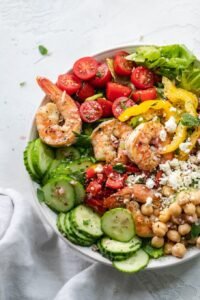
3. Mediterranean Chickpea Salad
Combine chickpeas, cucumber, tomatoes, red onion, parsley, feta, olive oil, lemon juice, and oregano.
4. Veggie & Hummus Wrap
Fill a whole wheat tortilla with hummus, spinach, cucumbers, tomatoes, shredded carrots, and feta cheese.
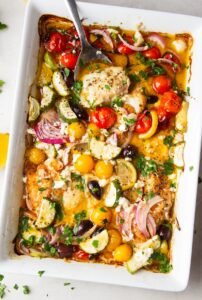
5. One-Pan Mediterranean Chicken
Roast chicken with cherry tomatoes, zucchini, olives, garlic, onions, and herbs in a single baking dish.
6. Greek Yogurt Breakfast Bowl
Top plain Greek yogurt with fresh berries, walnuts, chia seeds, and a drizzle of honey if desired.
7. Mediterranean Grain Bowl
Layer cooked quinoa or brown rice with roasted vegetables, chickpeas, feta, olives, and lemon dressing.
Beginner-Friendly Meal Plan
Day Breakfast Lunch Dinner
Monday Greek Yogurt Bowl Chickpea Salad Lemon Herb Salmon
Tuesday Whole Grain Toast & Egg Chicken Wrap Mediterranean Chicken
Wednesday Fruit & Yogurt Grain Bowl Shrimp with Vegetables
Thursday Oatmeal with Nuts Greek Salad Baked Chicken
Friday Smoothie Hummus Wrap Grilled Fish
Simple Mediterranean Cooking Tips
Fill at least half your plate with vegetables.
Choose whole grains over refined grains whenever possible.
Cook with extra virgin olive oil instead of butter for most savory dishes.
Include fish or seafood regularly if you enjoy it.
Snack on fruit, nuts, or plain Greek yogurt.
Use fresh herbs, garlic, and spices to add flavor.
Foods to Limit
The Mediterranean diet doesn’t completely eliminate foods, but it encourages eating these less often:
Sugary drinks
Candy and desserts
Highly processed snacks
Processed meats
Refined white bread and pastries
Excessive fried foods
Meal Prep Tips
Grill chicken or bake fish ahead of time.
Cook a batch of quinoa or brown rice for the week.
Chop vegetables and store them in airtight containers.
Prepare homemade vinaigrette to keep in the refrigerator.
Portion nuts and fruit into grab-and-go snacks.
Frequently Asked Questions
Is the Mediterranean diet good for beginners?
Yes. It’s one of the easiest eating patterns to follow because it emphasizes simple, everyday foods instead of strict rules.
Can I eat pasta?
Yes. Whole wheat pasta is commonly included, and it’s typically paired with vegetables, olive oil, lean proteins, or tomato-based sauces.
Do I have to give up meat?
No. Poultry, fish, and seafood are common choices, while red meat is generally eaten less frequently.
Is the Mediterranean diet expensive?
Not necessarily. Using beans, lentils, seasonal produce, canned fish, and whole grains can make it affordable.
Can I meal prep Mediterranean recipes?
Absolutely. Grain bowls, salads, grilled chicken, roasted vegetables, soups, and baked fish are all excellent options for meal prep.
Final Thoughts
The Mediterranean diet is a simple, flexible, and flavorful way to eat that focuses on nourishing your body with wholesome ingredients. By filling your plate with colorful vegetables, whole grains, lean proteins, healthy fats, and fresh herbs, you can create satisfying meals that are both nutritious and delicious.
Start with a few easy recipes, stock your pantry with Mediterranean staples, and build your meals around fresh, minimally processed foods. Small, consistent changes can make adopting this balanced lifestyle both enjoyable and sustainable. 🫒🥗🍅🐟🌿