Elizabeth Rizzini Disability Public Curiosity Media Responsibility and Respect for Privacy

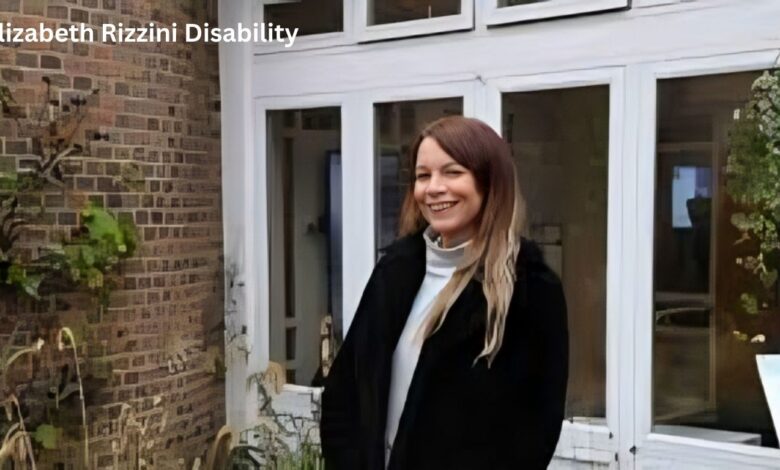
Search interest around the phrase elizabeth rizzini disability reflects a broader pattern in modern media culture, where audiences often seek to understand the personal lives of public figures beyond their professional roles. Elizabeth Rizzini is widely recognized for her work as a television weather presenter, admired for her calm delivery, professionalism, and clear communication. As her visibility has increased, so too has curiosity about her life away from the screen.
This article approaches the topic with care, clarity, and respect. It does not aim to speculate or spread unverified claims. Instead, it explores why such searches exist, what is publicly known, what is not known, and why responsible discussion matters. In doing so, it also looks at wider themes such as disability representation in media, the boundaries of public interest, and the importance of privacy in an age of constant online attention.
Who Is Elizabeth Rizzini Disability?
A Recognizable Face in British Broadcasting
Elizabeth Rizzini Disability is best known as a weather presenter on British television, particularly through her work with the BBC. Over time, she has built a reputation for reliability, warmth, and professionalism. Weather presentation requires clarity, confidence, and the ability to communicate complex information in a simple and reassuring way, skills that she demonstrates consistently.
Her presence on screen has made her a familiar figure to viewers across the United Kingdom. Like many broadcasters, her role places her in the public eye on a regular basis, which naturally leads to interest that goes beyond forecasts and professional achievements.
Public Image and Professional Identity
Elizabeth Rizzini Disability public image is largely defined by her career. She is known for her work ethic, presentation style, and dedication to broadcasting. Unlike some public figures, she has kept much of her personal life private, focusing attention on her professional contributions rather than personal narratives.
This separation between public role and private life is intentional for many broadcasters. It allows them to be recognized for their skills while maintaining personal boundaries, something that becomes increasingly important as public scrutiny grows.
Understanding the Search for Elizabeth Rizzini Disability
Why People Ask Personal Questions Online
Search engines have become the first place people turn when curiosity arises. When viewers notice something different or simply want to know more about a familiar face, they often type direct and sometimes sensitive questions into search bars. This behavior does not always stem from ill intent, but from human curiosity.
In the case of Elizabeth Rizzini disability, the search term suggests that some users are wondering whether she has a disability or health condition. It is important to understand that curiosity alone does not justify assumptions, nor does it make speculation appropriate.
The Role of Assumptions and Misinformation
In many cases, such searches are fueled by assumptions rather than facts. Small details, personal perceptions, or online rumors can quickly turn into widespread questions, even when there is no confirmed information to support them.
This is a common issue in the digital age. Once a question appears frequently in search data, it can create the impression that there must be an underlying truth, even when there is none. Responsible content must address this dynamic carefully and ethically.
What Is Publicly Known and What Is Not
No Public Confirmation of Disability
As of now, there is no verified public information confirming that Elizabeth Rizzini Disability. She has not made any public statements about having a disability, nor have reputable media outlets reported such information based on confirmed sources.
It is important to state this clearly. Absence of confirmation means that any definitive claims would be speculative and inappropriate. Respecting factual boundaries is essential when discussing real individuals.
The Importance of Self-Disclosure
Health and Elizabeth Rizzini Disability information is deeply personal. The only ethical way such information enters public discussion is through self-disclosure or clear, consent-based reporting. If a public figure chooses to share aspects of their health or disability, that decision deserves respect and careful handling.
Equally, choosing not to share is a valid and protected choice. Privacy does not disappear with public visibility, and not every aspect of a person’s life needs to be explained or justified.
Disability and Representation in Media
Why Representation Matters
Elizabeth Rizzini Disability representation in media is an important topic. Seeing people with disabilities in visible, respected roles can challenge stereotypes and broaden public understanding. When representation is authentic and self-directed, it can be empowering and transformative.
This is why discussions around disability often attract attention. Audiences want to see diversity reflected on screen, and they want to understand the experiences of those they watch regularly.
The Risk of Unwanted Labeling
However, representation must never come at the cost of unwanted labeling. Assigning a disability to someone without their consent can be harmful. It reduces a person’s identity to a single assumed trait and can perpetuate misunderstanding rather than inclusion.
In the case of Elizabeth Rizzini Disability, attaching a disability narrative without factual basis does not contribute positively to representation. True inclusion respects choice, accuracy, and individual autonomy.
Media Ethics and Public Responsibility
The Line Between Interest and Intrusion
There is a fine line between public interest and personal intrusion. Public figures accept a degree of scrutiny, but that scrutiny should be proportional to their role. A weather Elizabeth Rizzini Disability job is to communicate weather information, not to provide access to personal health details.
When curiosity crosses into speculation, it risks becoming intrusive. Ethical media practice requires recognizing when a topic serves the public good and when it simply feeds unnecessary curiosity.
The Role of Content Creators and Publishers
Writers, publishers, and content creators play a crucial role in shaping how topics are discussed online. Choosing not to speculate, avoiding sensational language, and prioritizing accuracy all contribute to a healthier information environment.
Articles that address sensitive topics thoughtfully can redirect attention toward broader issues, such as media literacy and respect for privacy, rather than reinforcing rumors.
Why Privacy Still Matters in the Digital Age
The Pressure of Constant Visibility
Modern media creates constant Elizabeth Rizzini Disability. Social platforms, online forums, and search engines ensure that even minor details can be magnified. For public figures, this environment can be overwhelming, especially when personal topics become trending search terms.
Protecting privacy is not about hiding, but about maintaining control over one’s own narrative. Everyone, regardless of profession, deserves that control.
Setting Healthy Boundaries
Healthy boundaries benefit both public figures and audiences. When boundaries are respected, public discourse becomes more meaningful and less invasive. Audiences learn to focus on professional contributions rather than personal speculation.
In this context, acknowledging that not everything is known or should be known is a sign of maturity in media consumption.
Shifting the Focus to Professional Achievement
Recognizing Skill and Contribution
Elizabeth Rizzini Disability career is built on skill, dedication, and professionalism. Her ability to communicate clearly and connect with audiences is the reason she is widely recognized. These qualities deserve attention and appreciation.
By focusing on professional achievement rather than unverified personal details, audiences can engage with public figures in a way that is both respectful and enriching.
Role Models Beyond Personal Narratives
Not every role model needs a personal struggle narrative to be inspiring. Competence, consistency, and quiet excellence are equally valuable. Recognizing this helps broaden the definition of success and representation.
Elizabeth Rizzini Disability presence on screen offers an example of professionalism and reliability, qualities that resonate regardless of personal background.
Understanding Disability Beyond Assumptions
Disability Is Not Always Visible
It is also important to acknowledge that disability is a complex and varied concept. Not all disabilities are visible, and not all visible differences indicate disability. This complexity is one reason why assumptions are particularly problematic.
Awareness and inclusion grow when discussions are grounded in facts and lived experiences, not speculation.
Respectful Curiosity Versus Harmful Guesswork
Curiosity can be respectful when it seeks to understand general issues, such as how media can be more inclusive or how disability representation can improve. It becomes harmful when it targets individuals without evidence or consent.
Redirecting curiosity toward broader, educational topics benefits everyone involved.
Conclusion
The search for elizabeth rizzini disability highlights how quickly personal questions can arise around public figures, even in the absence of confirmed information. At present, there is no public evidence or statement indicating that Elizabeth Rizzini has a disability, and it is important to respect that boundary.
More broadly, this topic serves as a reminder of the responsibilities that come with public discussion. Accuracy, empathy, and respect should guide how sensitive subjects are addressed. Disability representation matters, but it must be rooted in truth and self-expression, not assumption.
By focusing on Elizabeth Rizzini’s professional contributions and recognizing the importance of privacy, audiences can engage more thoughtfully with media figures. In doing so, they help create a culture that values both inclusion and respect, allowing public life and personal dignity to coexist.