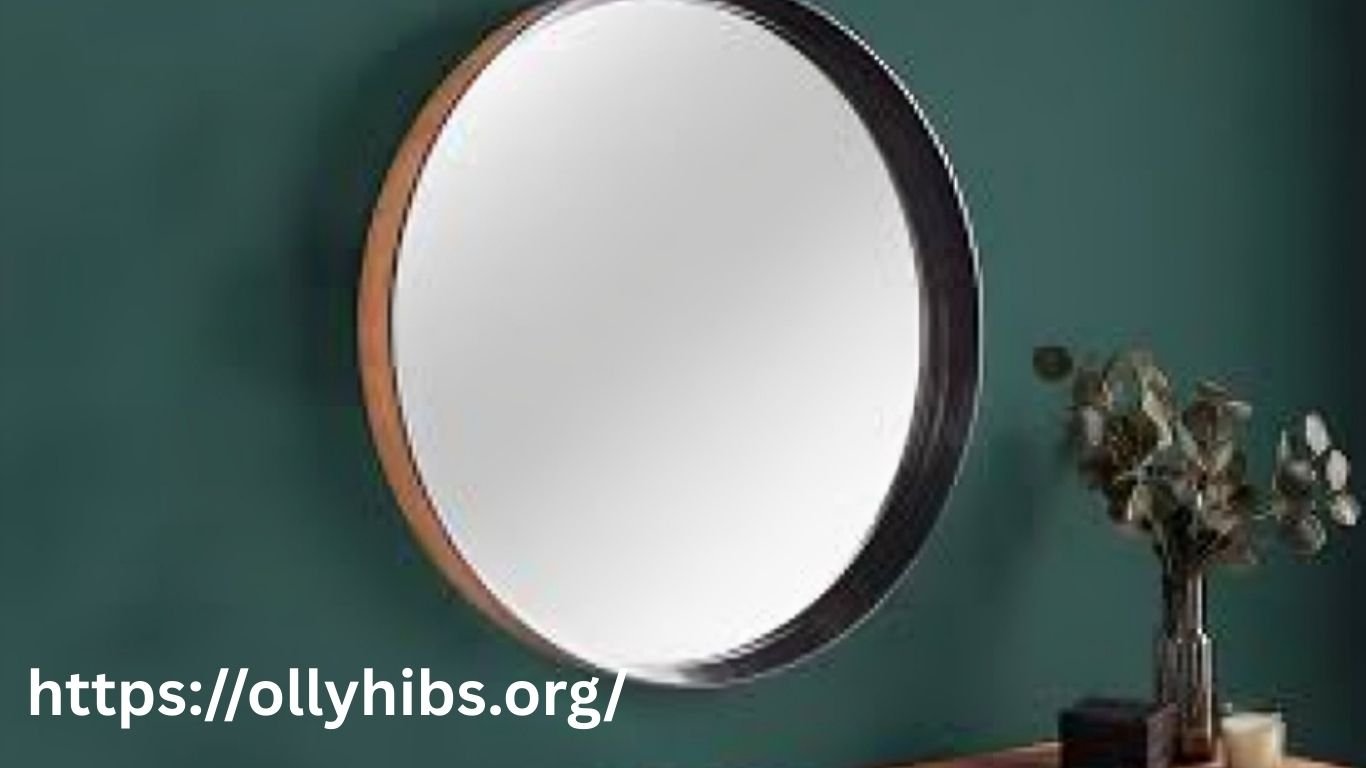
Runder Spiegel
Interior design has evolved tremendously over the years, shifting toward minimalist, elegant, and functional aesthetics. Among the most timeless décor elements, one item stands out for its simplicity and versatility — the runder spiegel, or round mirror. Whether placed in a hallway, bedroom, bathroom, or living room, a round mirror enhances space through visual expansion, light reflection, and artistic balance.
This extensive guide explains everything you need to know about runder spiegel, covering types, styles, placement tips, materials, benefits, installation methods, maintenance guidance, and buying recommendations. From luxury wall mirrors to functional bathroom pieces, this article will help you choose the perfect runder spiegel for your interior theme.
What is a Runder Spiegel?
A runder spiegel translates to round mirror in German. It is a circular reflective surface made of glass and often framed with metal, wood, plastic, or composite materials. Round mirrors have been used for centuries in design, function, and beauty. Unlike square or rectangular mirrors, they have no sharp corners, which allows them to blend seamlessly into various spaces. The smooth curvature represents harmony, unity, and balance — qualities highly desired in modern home décor.
Round mirrors are available in diverse designs, from frameless minimalist models to ornate gold-trimmed showpieces. They may include additional features like LED lights, magnifying surfaces, anti-fog technology, or decorative patterns. Because of their aesthetic versatility, they complement both vintage and contemporary spaces.
Why Runder Spiegel Has Become a Modern Interior Trend
In the age of modern décor, homeowners prefer soft lines, natural materials, and open concepts. A runder spiegel supports this trend beautifully. Designers increasingly use round mirrors because:
They Soften Harsh Lines
Rooms dominated by angles — tables, windows, tiles, walls — can appear rigid. A circular mirror introduces flow and movement, reducing visual tension.
They Reflect & Amplify Natural Light
Positioned strategically, a runder spiegel brightens a room by reflecting sunlight or artificial lighting. Small rooms appear larger, darker corners lighten, and overall mood improves.
They Are Ideal Focal Points
Like artwork, round mirrors create a natural center of attention. A bold frame, oversized diameter, or unique color instantly draws the eye.
They Fit Minimalistic Decor
Minimalism thrives on simplicity. Round mirrors achieve elegance without complexity, making them perfect for Scandinavian, Japandi, and modern interiors.
They Increase Spatial Perception
A round mirror expands visual space due to its curvature. When mounted opposite windows or wide open areas, the room feels more airy and open.
Interior designers love working with round mirrors because of their balance, symbolism, and adaptability. Their popularity continues to grow in hotels, offices, boutiques, cafes, and homes worldwide.
Benefits of Decorating With Runder Spiegel
Here are major advantages of incorporating round mirrors into interior styling:
Aesthetic Appeal
The circular form naturally appeals to human sight. It is symmetrical, calming, and pleasing. A runder spiegel transforms plain walls into stylish statements.
Versatile Placement
Unlike rectangular mirrors that require size alignment, round mirrors work well above sofas, bathroom vanities, console tables, and beds.
Light Enhancement
Mirrors bounce light throughout the room — essential for apartments with limited windows. Day or night, they boost illumination.
Functional Utility
Aside from style, mirrors serve daily functions — grooming, makeup, dressing, self-care routines. A runder spiegel in bathrooms or dressing spaces balances form and purpose.
Makes Small Rooms Look Bigger
The curved outline enhances perception, making compact rooms look spacious and less boxed in.
Great For Feng Shui & Energy Flow
Round shapes symbolize eternity, softness, and unity. They encourage positive energy circulation and are preferred for spiritually balanced spaces.
Different Types of Runder Spiegel
Knowing the variations helps you choose the right type for your home or commercial space.
Frameless Round Mirror
Minimalistic and clean. Perfect for modern bathrooms, corridors, or office interiors. Works well in neutral tone décor.
Wood-Framed Runder Spiegel
Warm, rustic appeal. Great for bohemian, farmhouse, Scandinavian spaces. Oak, walnut, teak, or bamboo finishes are common.
Metal-Framed Runder Spiegel
Available in gold, silver, black matte, brass, chrome. Luxurious and elegant, suitable for contemporary décor.
Runder Spiegel With LED Lights
Perfect for bathrooms and makeup areas. Adjustable brightness and often anti-fog technology included.
Decorative & Artistic Round Mirrors
Carved frames, mosaic edges, patterned rims make them ideal for living rooms, galleries, hotels.
Oversized Wall Round Mirrors
Large mirrors dramatically expand space. They work exceptionally well behind sofas, console tables, and entryways.
Multipanel Round Mirrors
Segmented designs create abstract visuals. Stylish for modern homes and offices.
Hanging Rope or Strap Mirrors
Mounted using leather straps, ropes, or hanging clips — often used in boho and rustic settings.
Whichever style you prefer, the runder spiegel remains a versatile centerpiece for any interior theme.
Best Places to Use a Runder Spiegel in Home Décor
Living Room
A round mirror serves beautifully above a fireplace, TV console, or sofa. Choose a large model to draw focus.
Bedroom
Placed above the headboard or dresser, it complements comfort themes. LED-lit versions help with grooming.
Hallways & Entrances
Ideal for entrance aesthetics. A runder spiegel in the hallway gives a welcoming first impression.
Bathroom
Round mirrors soften the sharp lines of tiles, cabinets, and sinks. Anti-fog and LED models work best here.
Dining Room
Mounted behind the dining table, mirrors create depth and reflect lighting features.
Office or Workspace
Boosts light, increases space awareness, and elevates mood.
Hotels Restaurants & Cafés
Round mirrors enhance branding aesthetics and customer experience.
How to Style a Runder Spiegel Aesthetically
Add Wall Lamps On Each Side
This symmetrical styling highlights the mirror while improving room lighting.
Pair With Console Table Décor
Add vases, books, candles, baskets, or flower arrangements for aesthetic harmony.
Use As Centerpiece Above Fireplace
Creates balance and enhances height and volume of the room.
Create Mirror Gallery Wall
Multiple round mirrors in different sizes create artistic statements.
Add Plants Around the Mirror
The combination of greenery and glass feels refreshing and organic.
The beauty of runder spiegel lies in its ability to blend with nearly every design plan.
Frequently Asked Questions About Runder Spiegel
What is the meaning of runder spiegel?
Runder spiegel is German for round mirror.
How many types of round mirrors exist?
Numerous variations exist including frameless, wooden, metal, LED, oversized, hanging strap, and patterned round mirrors.
Is runder spiegel good for small rooms?
Absolutely! It visually expands space and enhances brightness.
Where should I install a round mirror in the living room?
Above sofas, fireplaces, console tables, or feature walls work best.
How often should I clean my round mirror?
Weekly cleaning is recommended for shine and clarity.
Conclusion
A runder spiegel is more than a reflective object — it is a statement of elegance, balance, and modern design. Whether you want to brighten a room, expand perception, or enhance interior personality, a round mirror is one of the simplest and most effective décor choices. With endless variations from minimal frameless styles to luxurious gold-trimmed masterpieces, the runder spiegel remains a timeless asset in interior aesthetics.
Selecting the right size, frame material, and installation position transforms any ordinary wall into a sophisticated visual highlight. From hallways to bedrooms, bathrooms to cafés, this versatile décor piece elevates every environment with beauty and function.