
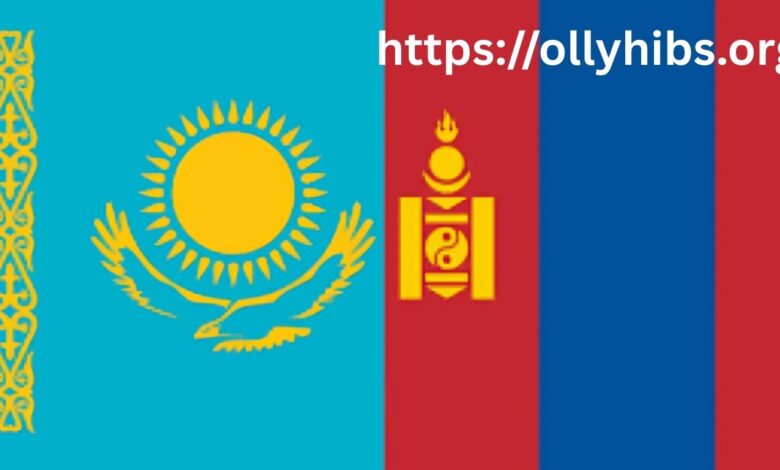
The Kazakhstan flag is one of the most recognizable national symbols in Central Asia. Its unique design, vibrant colors, and meaningful elements reflect the rich history, traditions, and aspirations of the Kazakh people. In this article, we will explore the history, symbolism, design, and significance of the Kazakhstan flag, along with its role in national identity and international representation.
History of the Kazakhstan Flag
The history of the Kazakhstan flag is deeply intertwined with the country’s journey toward independence and sovereignty. Kazakhstan, a Central Asian nation, declared its independence from the Soviet Union on December 16, 1991. With independence came the need for a national flag that would represent the country’s unique identity and aspirations.
Early Flags in Kazakhstan
Before the current design, Kazakhstan used several flags under different political regimes. During the Soviet era, Kazakhstan was represented by the Kazakh Soviet Socialist Republic flag, which was red with a hammer and sickle and a blue stripe at the bottom. This flag symbolized Kazakhstan’s connection to the Soviet Union rather than its own heritage.
After independence, there was a national movement to design a flag that truly reflected the culture, values, and identity of Kazakhstan. The government organized competitions, and the final design was officially adopted on June 4, 1992.
Adoption of the Modern Kazakhstan Flag
The current Kazakhstan flag was adopted shortly after independence and has remained unchanged since. Its adoption was a moment of national pride, representing a break from Soviet rule and a celebration of Kazakh identity. The flag was designed by Shaken Niyazbekov, a renowned Kazakh artist, who incorporated elements that reflect the country’s cultural and historical heritage.
Design and Symbolism of the Kazakhstan Flag
The Kazakhstan flag has a unique design that sets it apart from other national flags. It features a sky-blue background, a golden sun with 32 rays, a soaring golden steppe eagle, and a vertical national ornamental pattern known as the “koshkar-muiz” along the hoist side. Each element carries deep symbolism.
The Sky-Blue Background
The sky-blue color is the most prominent feature of the Kazakhstan flag. It symbolizes peace, freedom, cultural and ethnic unity, and the vast skies of the Kazakh steppe. For the Kazakh people, the blue color also represents the timeless sky, the infinite horizons, and the spiritual values of the nation.
The Golden Sun
At the center of the flag is a golden sun with 32 rays. The sun symbolizes life, energy, and wealth. It is a representation of light and progress, reflecting Kazakhstan’s aspirations for growth and prosperity. The number of rays, 32, represents abundance and diversity in the Kazakh culture.
The Steppe Eagle
Beneath the sun, a golden steppe eagle is depicted soaring high. The eagle is a traditional symbol of power, freedom, and independence in Kazakh culture. It represents the country’s strength, vision, and sovereignty. The eagle also reflects the nomadic heritage of the Kazakh people, who historically relied on birds of prey for hunting.
The National Ornament “Koshkar-Muiz”
Along the hoist side of the Kazakhstan flag, there is a vertical pattern called the “koshkar-muiz” or ram’s horns. This traditional ornament is commonly used in Kazakh art, textiles, and architecture. It symbolizes the cultural heritage and artistic traditions of Kazakhstan, linking the flag to the rich history of the nation.
Cultural and National Significance
The Kazakhstan flag is not just a piece of cloth; it represents the values, pride, and aspirations of the Kazakh people. It is a symbol of national unity and identity, especially after the long period under Soviet rule.
Symbol of Independence
The flag is a reminder of Kazakhstan’s struggle for independence and self-determination. Displayed during national holidays, government events, and international occasions, it reflects the country’s journey from being a Soviet republic to a sovereign nation.
Representation of Diversity
Kazakhstan is a multi-ethnic country with over 130 ethnic groups. The Kazakhstan flag symbolizes unity among these diverse communities, promoting peace and harmony. Its blue background and golden symbols convey the idea of inclusivity and national pride.
International Representation
The Kazakhstan flag also serves as the country’s emblem on the global stage. It is displayed at international forums, sporting events, and diplomatic missions, promoting Kazakhstan’s image as a peaceful and independent nation. The unique design ensures that it stands out among other national flags, making it instantly recognizable worldwide.
The Flag in Daily Life and National Celebrations
In Kazakhstan, the Kazakhstan flag is more than just a national symbol; it plays an integral role in daily life and national celebrations.
National Holidays
The flag is prominently displayed on significant holidays such as Independence Day on December 16 and Constitution Day on August 30. During these celebrations, citizens take pride in hoisting the flag on public buildings, homes, and streets.
Educational Institutions
Schools and universities in Kazakhstan use the flag as a symbol of national pride. Students are taught the significance of the flag, fostering patriotism and respect for national heritage from a young age.
Sporting Events
The Kazakhstan flag is waved enthusiastically during international sporting events, including the Olympics, Asian Games, and other competitions. It unites athletes and fans, instilling national pride and a sense of belonging.
Protocols and Etiquette for the Kazakhstan Flag
Like many national flags, the Kazakhstan flag is protected by strict protocols and etiquette to show respect for the symbol.
Correct Display
The flag should always be displayed in a prominent position during official events. When flown with other flags, the Kazakhstan flag should take precedence. It should be hoisted at sunrise and lowered at sunset.
Respectful Handling
The flag must never touch the ground, be used for commercial purposes without permission, or be disrespected in any manner. Mishandling the flag is considered a serious offense under national law.
Disposal
If the flag becomes worn or damaged, it should be retired respectfully, usually through ceremonial burning or other approved methods. This practice ensures that the Kazakhstan flag is treated with dignity even at the end of its life cycle.
The Kazakhstan Flag in International Context
The Kazakhstan flag is a symbol of the country’s identity on the international stage. It represents Kazakhstan in global diplomacy, international organizations, and multinational events.
United Nations and Diplomatic Missions
Kazakhstan joined the United Nations in 1992, shortly after gaining independence. The flag is displayed at the UN headquarters, Kazakh embassies, and consulates worldwide, symbolizing the country’s sovereignty and participation in global affairs.
Global Sports and Competitions
Kazakhstan’s athletes proudly carry the Kazakhstan flag at international competitions such as the Olympics and World Championships. The flag serves as a unifying emblem, inspiring athletes and citizens alike.
Cultural Exchanges
During international cultural festivals and exhibitions, the Kazakhstan flag is displayed alongside other national symbols, promoting Kazakh art, music, and heritage. It becomes a visual representation of the country’s rich cultural identity.
FAQs About the Kazakhstan Flag
What does the Kazakhstan flag look like?
The Kazakhstan flag has a sky-blue background with a golden sun with 32 rays at the center, a golden steppe eagle below the sun, and a vertical national ornamental pattern along the hoist side.
When was the Kazakhstan flag adopted?
The modern Kazakhstan flag was officially adopted on June 4, 1992, shortly after Kazakhstan gained independence from the Soviet Union.
What is the symbolism of the colors on the Kazakhstan flag?
The sky-blue represents peace, freedom, and unity. The golden sun symbolizes life and prosperity, while the golden eagle represents freedom, power, and heritage.
Who designed the Kazakhstan flag?
The flag was designed by Shaken Niyazbekov, a Kazakh artist known for incorporating national symbols and cultural elements into his work.
How should the Kazakhstan flag be displayed?
The flag should be displayed prominently during national holidays, official events, and international occasions. It must be treated with respect, never allowed to touch the ground, and retired respectfully if damaged.
Conclusion
The Kazakhstan flag is more than just a national emblem; it is a representation of the country’s identity, culture, and aspirations. From its sky-blue background to the golden sun and eagle, every element holds deep meaning. It serves as a symbol of unity, independence, and pride for the people of Kazakhstan. As the country continues to grow on the global stage, the Kazakhstan flag remains a powerful reminder of its heritage, values, and vision for the future.
