Dolphin Radar How Nature’s Most Intelligent Navigator Inspires Modern Detection Technology

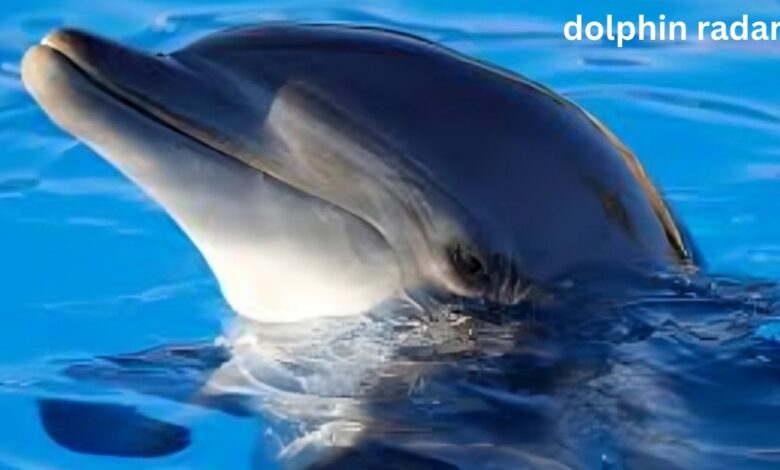
Dolphin radar is one of the most fascinating natural systems ever studied, blending biology, physics, and intelligence into a single, highly efficient sensory tool. Long before humans developed advanced sonar technology, dolphins had already mastered underwater detection with remarkable accuracy. Their ability to perceive the world through sound has reshaped how scientists understand marine navigation and continues to influence modern engineering and defense research in the United States.
Unlike mechanical radar systems, dolphin radar operates as a living, adaptive process. It allows dolphins to hunt, navigate, communicate, and survive in complex ocean environments where visibility is often limited. This natural capability has drawn growing attention from researchers seeking inspiration for next-generation detection systems that work where traditional sensors struggle.
Understanding dolphin is not just about marine life. It is also about innovation, sustainability, and learning from nature’s most refined solutions.
Understanding the Concept of Dolphin Radar
Dolphin radar refers to the biological sonar system dolphins use to interpret their surroundings through sound waves. While scientists typically call this process echolocation or biosonar, the term dolphin radar helps describe how closely it resembles man-made radar systems in function.
Dolphins emit high-frequency clicks that travel through water, bounce off objects, and return as echoes. Their brains process these echoes almost instantly, forming detailed mental images of objects around them. This allows dolphins to detect prey, avoid obstacles, and identify shapes, sizes, and even internal structures of objects underwater.
What makes dolphin radar exceptional is its precision. Dolphins can distinguish between materials, recognize individual fish species, and locate targets buried beneath sand. In dark or murky waters, dolphin outperforms human-made visual systems by a wide margin.
How Dolphin Radar Works in Real-Time Environments
The mechanics behind dolphin rely on specialized anatomy. Dolphins produce sound clicks using nasal air sacs located below the blowhole. These clicks pass through the melon, a fatty organ on the dolphin’s forehead that focuses sound waves into a directional beam.
Once the sound waves hit an object, the returning echoes are received through the dolphin’s lower jaw. From there, vibrations travel to the inner ear and are processed by an exceptionally developed auditory cortex. This entire sequence happens in fractions of a second, enabling real-time underwater detection.
Dolphin adapts continuously. Dolphins can change the frequency, intensity, and direction of their clicks depending on distance and target complexity. This flexibility gives them an edge over static sonar technology, especially in cluttered marine environments.
Dolphin Radar vs Traditional Sonar Technology
While dolphin radar and human sonar technology share similar principles, the differences are striking. Traditional sonar systems rely on fixed frequencies and predefined algorithms. Dolphin, by contrast, is dynamic, responsive, and biologically optimized.
Dolphins adjust their biosonar output based on feedback, something artificial systems still struggle to replicate. Their sonar beams can narrow for long-range detection or widen for close-range inspection. This adaptability allows dolphins to hunt efficiently without wasting energy.
In naval research across the United States, scientists have studied dolphin to improve underwater detection systems. The goal is to create sonar technology that mimics biological efficiency while reducing environmental impact.
The Role of Dolphin Radar in Marine Navigation
Marine navigation presents unique challenges. Light fades quickly underwater, and obstacles can appear without warning. Dolphin radar solves this problem by providing dolphins with a continuous sensory map of their surroundings.
Dolphins rely on dolphin to navigate coral reefs, coastal waters, and open oceans. They can detect shoreline contours, locate safe passages, and maintain orientation during long migrations. This capability is especially valuable in turbid waters where vision offers little assistance.
Marine biologists have observed dolphins navigating narrow channels at high speeds without collisions. Dolphin enables this precision, proving its reliability even in the most demanding environments.
Dolphin Radar and Hunting Efficiency
Hunting success among dolphins is closely tied to dolphin radar performance. Dolphins use echolocation clicks to locate schools of fish, isolate individual targets, and coordinate group hunting strategies.
When approaching prey, dolphins reduce click intensity to avoid alerting fish. This controlled use of dolphin allows them to remain stealthy while maintaining accurate tracking. Some species can even determine fish size and density before engaging.
This level of underwater detection showcases as both a sensory and strategic tool. It is not just about finding prey but about optimizing energy use and success rates.
Cognitive Intelligence Behind Dolphin Radar
Dolphin radar is powered by one of the most advanced brains in the animal kingdom. Dolphins possess a high encephalization quotient, indicating complex cognitive abilities. Their brains process sonar data with extraordinary speed and detail.
Studies show that dolphins can form three-dimensional representations of objects using sound alone. They can remember echo patterns and recognize objects even after long periods. This memory integration elevates dolphin radar from simple detection to true perception.
In laboratory settings, dolphins have demonstrated the ability to identify shapes and materials using echolocation without visual cues. This confirms that operates as a sophisticated sensory language rather than a basic reflex.
Dolphin Radar and Human Technology Innovation
The influence of dolphin radar on human technology continues to grow. Engineers and defense researchers study dolphin biosonar to improve underwater detection, autonomous vehicles, and medical imaging.
In the United States, bio-inspired sonar research has led to quieter and more efficient systems. principles help reduce noise pollution while increasing accuracy. This is particularly important for naval operations and offshore exploration.
Medical researchers have also drawn inspiration from to improve ultrasound imaging. The way dolphins interpret echoes has informed new signal-processing techniques that enhance image clarity.
Environmental Advantages of Dolphin Radar-Inspired Systems
One of the most appealing aspects of dolphin radar is its environmental efficiency. Dolphins use minimal energy to achieve maximum sensory output. Their biosonar does not disrupt ecosystems the way high-powered sonar systems can.
This has led to increased interest in -inspired technologies for sustainable marine exploration. By mimicking biological sonar, researchers aim to protect marine life while maintaining effective underwater detection.
As environmental regulations tighten in the United States, dolphin offers a blueprint for balancing technological advancement with ecological responsibility.
Challenges in Replicating Dolphin Radar
Despite decades of research, replicating dolphin radar remains a significant challenge. Biological systems integrate anatomy, neurology, and behavior in ways machines cannot easily duplicate.
Dolphins interpret sonar data contextually, combining sound information with memory and social cues. Artificial systems lack this holistic processing ability. While algorithms can simulate aspects of echolocation, they cannot yet match biological intuition.
However, ongoing advances in artificial intelligence and machine learning continue to narrow this gap. remains the gold standard for underwater detection performance.
Dolphin Radar in Naval and Security Applications
Naval research has long recognized the potential of dolphin radar. Dolphins have even been trained in controlled programs to assist with underwater detection tasks, including locating objects on the seafloor.
These programs highlight the unmatched accuracy of in complex underwater conditions. Dolphins can identify mines and other hazards with a success rate that rivals or exceeds mechanical systems.
While ethical considerations guide modern practices, continues to inform secure and non-invasive detection strategies for maritime safety.
Ethical Considerations and Dolphin Radar Research
Research into dolphin radar must balance scientific advancement with animal welfare. Dolphins are intelligent, social animals, and ethical standards are essential in any study involving them.
Modern research prioritizes non-invasive observation and passive data collection. Advances in acoustic monitoring allow scientists to study behavior without disrupting natural habitats.
This ethical approach ensures that knowledge gained from benefits both humans and marine ecosystems.
The Future of Dolphin Radar Research
The future of dolphin radar research lies at the intersection of biology and technology. As sensors become smaller and algorithms smarter, bio-inspired sonar systems will continue to evolve.
Scientists believe that future underwater vehicles may rely on principles to navigate autonomously. These systems could explore deep-sea environments, inspect infrastructure, and assist in rescue missions.
Dolphin radar remains a powerful reminder that nature often provides the most efficient solutions. Learning from dolphins may unlock safer, quieter, and more intelligent detection technologies.
Dolphin Radar and Public Awareness
Public interest in dolphin radar has increased as people become more aware of marine intelligence. Educational programs and documentaries have helped highlight the sophistication of dolphin echolocation.
For a United States audience, represents both scientific wonder and technological opportunity. It bridges wildlife conservation with innovation, showing how protecting marine life can also advance human knowledge.
Greater awareness encourages responsible research and fosters appreciation for the natural systems that inspire modern science.
Frequently Asked Questions About Dolphin Radar
Many people wonder whether dolphin radar is the same as echolocation. In practice, radar is a descriptive term for echolocation, emphasizing how closely it resembles human-made radar systems in function and efficiency.
Another common question is whether dolphincan see through objects. Dolphins cannot see in the visual sense, but their sonar can detect internal structures, densities, and shapes, allowing them to perceive far more detail than vision alone would provide underwater.
People also ask if dolphin radar is harmful to other marine life. Dolphin biosonar operates at safe levels and has evolved alongside marine ecosystems, making it far less disruptive than artificial sonar systems.
Some are curious about whether humans can fully replicate dolphin. While technology has made progress, biological sonar remains more adaptable and efficient than current mechanical systems.
Finally, many want to know why dolphin matters beyond marine biology. The answer lies in its influence on navigation, security, medical imaging, and sustainable technology development, making it relevant far beyond the ocean.
Dolphin stands as one of nature’s most impressive achievements. Its study continues to inspire innovation while reminding us that intelligence and efficiency often evolve together.