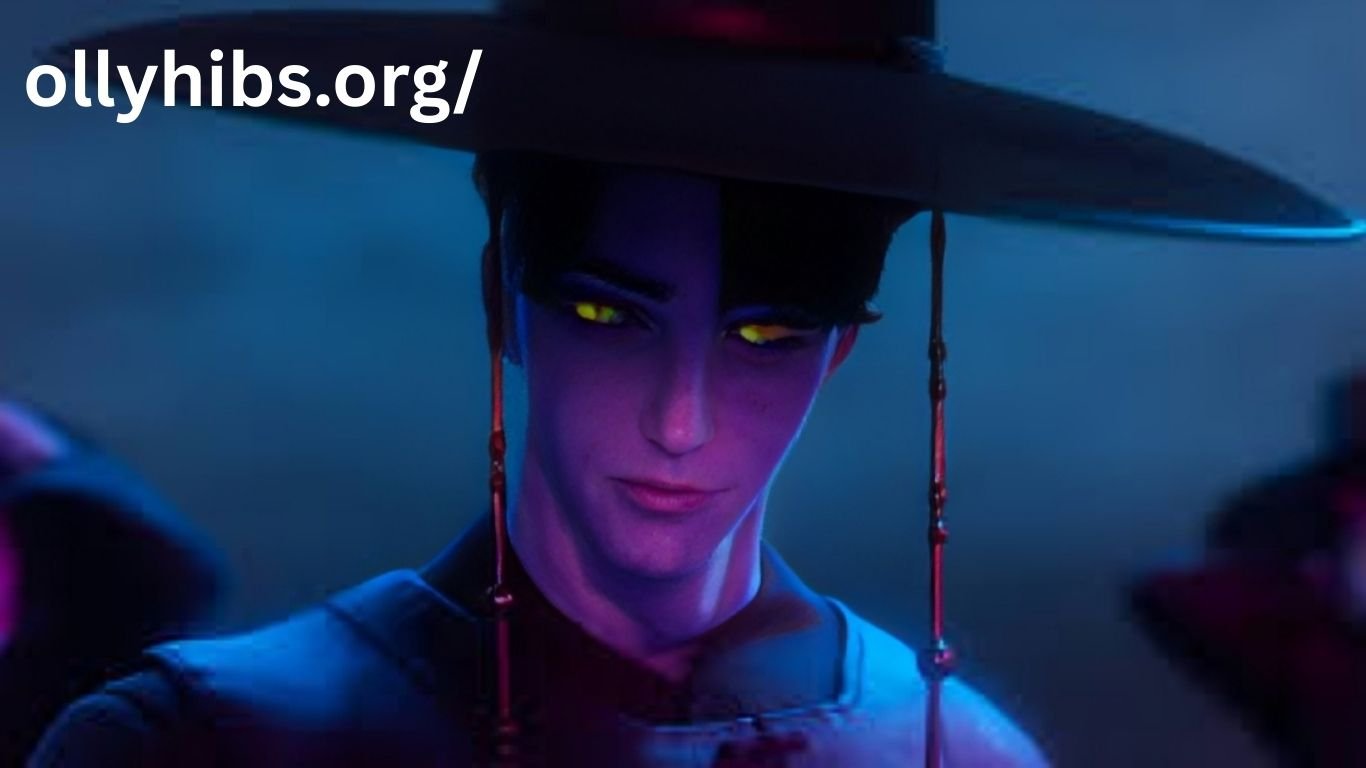
Jinu Kpop Demon Hunters
The world of K-pop is always evolving. Every few years, a new concept appears that feels bold, unexpected, and powerful enough to capture global attention. In recent conversations among fans, creators, and pop culture enthusiasts, the phrase “Jinu Kpop Demon Hunters” has started to spark curiosity. It sounds dramatic, mysterious, and cinematic, and that is exactly why people are drawn to it.
This concept blends the polished glamour of K-pop with dark fantasy storytelling. It creates a universe where idols are not just performers on stage, but secret warriors fighting supernatural forces behind the scenes. At the center of this imagined world stands Jinu, a character who represents strength, emotion, and inner conflict. The idea feels fresh because it connects music, identity, and fantasy in a way that feels meaningful rather than gimmicky.
This article explores the idea of Jinu Kpop Demon Hunters in depth. It looks at where the concept comes from, why it resonates so strongly with fans, and how it reflects larger trends in K-pop and global entertainment. If you are curious about how music, storytelling, and dark fantasy can merge into one powerful narrative, this deep dive will give you real value and insight.
Understanding the Jinu Kpop Demon Hunters Concept
To understand Jinu Kpop Demon Hunters, it helps to imagine a story-driven K-pop universe. In this world, idols live double lives. By day, they rehearse, perform, and connect with fans. By night, they face demons that threaten both the human world and their own souls. Jinu is often portrayed as the emotional core of this story, a figure who balances vulnerability with strength.
The concept does not exist as a single official group or show, but rather as a growing narrative idea shared through fan discussions, creative writing, visual art, and concept designs. This makes it powerful because it belongs to the community. Fans are not just consuming content. They are shaping it, expanding it, and making it personal.
Jinu, as a name, feels intentionally simple yet memorable. It sounds like a real idol name, which helps blur the line between fantasy and reality. This is important in K-pop, where storytelling works best when fans can imagine it as almost real. The demon hunter angle adds depth by giving emotional weight to performances and lyrics.
Why Demon Hunter Themes Work So Well in K-Pop
K-pop has always been about more than music. It is about storytelling, visuals, emotion, and identity. Demon hunter themes fit naturally into this world because they symbolize internal struggles. Demons can represent fear, pressure, self-doubt, fame, and loss of privacy. These are all very real issues for idols.
When fans see a character like Jinu fighting demons, they are not just watching an action story. They are connecting with the idea of battling inner darkness while standing in the spotlight. This is something many fans relate to in their own lives. People face stress, anxiety, and expectations every day, even if their stage is not global.
Real-life examples from K-pop make this connection stronger. Many idols have spoken openly about mental health, burnout, and the pressure to be perfect. A demon hunter storyline gives a creative way to explore these topics without being too literal. It allows emotion to be expressed through metaphor, which often feels more powerful.
Jinu as a Symbol of Dual Identity
One of the strongest aspects of the Jinu Kpop Demon Hunters idea is the theme of dual identity. Jinu is not just a fearless fighter. He is also a performer, a human being, and someone who feels pain and doubt. This balance makes the character believable and relatable.
In K-pop, idols often present a polished image, but fans know there is a real person behind it. Jinu represents that tension. On stage, he may appear confident and powerful. In the demon hunter world, he carries scars, memories, and emotional weight. This contrast creates depth and keeps fans emotionally invested.
Many successful K-pop concepts have used similar ideas. Groups that explore light versus darkness, innocence versus corruption, or reality versus fantasy tend to leave a lasting impact. Jinu fits perfectly into this tradition while adding a darker, more cinematic edge.
Storytelling and World-Building Around Jinu
What makes the Jinu Kpop Demon Hunters concept stand out is its potential for rich world-building. Fans imagine hidden organizations, ancient curses, and secret battles happening behind concert stages and music videos. Jinu is often seen as someone chosen or burdened by destiny, which adds tension to his story.
This kind of storytelling encourages creativity. Fans write stories, design outfits, and create visual concepts that expand the universe. Each interpretation adds another layer. Some imagine Jinu as a leader protecting his group. Others see him as a lone fighter struggling with his past.
This open-ended nature is important. It allows the concept to grow organically rather than feeling forced. In many ways, it mirrors how K-pop fandoms already operate. Fans love analyzing lyrics, theories, and hidden meanings. A demon hunter narrative gives them even more material to explore.
Visual Aesthetics and Stage Presence
Visuals are a huge part of K-pop, and the Jinu demon hunter idea thrives in this area. Dark color palettes, dramatic lighting, symbolic outfits, and intense choreography all fit naturally into this theme. Imagine a performance where movements resemble combat, or where lighting shifts to represent a battle between light and darkness.
Jinu is often imagined wearing outfits that combine elegance with danger. Long coats, sharp silhouettes, and subtle symbolic details help tell the story without words. This visual storytelling makes performances more immersive and memorable.
Many K-pop stages already feel cinematic, with elaborate sets and narratives. Adding a demon hunter layer simply deepens that experience. It gives fans a reason to watch performances again and again, searching for clues and emotional cues.
Emotional Connection Between Jinu and Fans
One reason the Jinu Kpop Demon Hunters concept resonates so strongly is the emotional bond it creates. Fans do not just admire Jinu’s strength. They empathize with his struggles. This emotional connection is at the heart of K-pop fandom culture.
Fans often see idols as sources of comfort and inspiration. A character like Jinu embodies resilience. He keeps fighting even when the odds are overwhelming. This can be incredibly motivating for fans dealing with their own challenges.
In online spaces, fans often share how fictional characters help them process emotions. The demon hunter narrative allows for themes of sacrifice, loyalty, and healing. Jinu becomes more than a character. He becomes a symbol of endurance.
The Role of Music in the Demon Hunter Narrative
Music is the soul of K-pop, and in the Jinu demon hunter universe, it takes on an even deeper meaning. Songs are not just catchy tracks. They become emotional chapters in a larger story. Lyrics can hint at battles, inner conflicts, or moments of hope.
Slow, emotional songs might represent Jinu’s vulnerability and pain. Powerful, high-energy tracks can symbolize combat and determination. Even love songs can take on new meaning when seen through the lens of protecting others from darkness.
This layered approach makes music more engaging. Fans listen closely, trying to connect lyrics to the story. This kind of engagement builds loyalty and long-term interest, which is essential in the K-pop world.
Cultural Influences Behind Demon Hunter Themes
The demon hunter idea is not random. It draws from Korean folklore, global fantasy traditions, and modern storytelling. Korean culture has a rich history of myths involving spirits, guardians, and battles between good and evil. These influences often appear subtly in K-pop concepts.
By blending traditional themes with modern music and visuals, the Jinu concept feels both familiar and new. It respects cultural roots while appealing to a global audience. This balance is one of the reasons K-pop has been so successful worldwide.
Fans from different countries can connect with the story because the core themes are universal. Struggle, courage, identity, and hope are emotions everyone understands.
Fan Creativity and Community Growth
The Jinu Kpop Demon Hunters idea thrives because of fan creativity. Artists create illustrations, writers develop stories, and video editors imagine trailers and performances. This shared creativity strengthens the community and keeps the concept alive.
In many ways, this mirrors how some of the biggest K-pop universes started. Fan interest often pushes ideas forward until they become official or widely recognized. Even if Jinu remains a fan-driven concept, its impact is still meaningful.
Communities built around shared imagination tend to be deeply engaged. Fans feel ownership and pride. They are not just watching a story. They are part of it.
SEO and Online Popularity of Jinu Kpop Demon Hunters
From an online perspective, the phrase Jinu Kpop Demon Hunters has strong SEO potential. It is unique, intriguing, and emotionally charged. People searching for it are likely curious and ready to explore deeper content.
The uniqueness of the phrase means less competition and more opportunity for meaningful engagement. Articles, videos, and creative content built around this idea can stand out in search results without relying on keyword stuffing.
Organic growth happens when people genuinely care about a topic. The emotional and creative depth of this concept makes that possible.
The Future Potential of the Jinu Concept
Looking ahead, the future of Jinu Kpop Demon Hunters depends on how the community continues to shape it. It could remain a fan-driven narrative, or it could inspire official projects, music concepts, or visual storytelling in the industry.
The idea reflects a larger trend in entertainment where audiences want depth and meaning. Simple surface-level concepts no longer feel enough. Fans want stories that reflect real emotions and struggles.
Jinu represents that desire. He is strong but not perfect. He fights demons but also faces his own darkness. That balance is what makes the concept timeless.
Why This Concept Matters in Modern K-Pop
Modern K-pop is about connection. It is about telling stories that feel personal even when they are fantastical. The Jinu demon hunter idea shows how far creative storytelling can go when fans are involved.
It also highlights the emotional intelligence of K-pop audiences. Fans are not just interested in visuals and trends. They want narratives that respect their feelings and experiences.
By combining music, fantasy, and emotional truth, Jinu Kpop Demon Hunters captures something very real in a fictional form.
Final Thoughts on Jinu Kpop Demon Hunters
Jinu Kpop Demon Hunters is more than just a catchy phrase. It is a reflection of how K-pop continues to evolve as an art form and a cultural movement. Through the imagined figure of Jinu, fans explore themes of identity, struggle, courage, and hope.
The demon hunter narrative works because it feels honest beneath the fantasy. It mirrors real-life battles in a symbolic way, making it deeply relatable. Jinu stands as a reminder that strength and vulnerability can exist together.
As K-pop continues to grow globally, concepts like this show the power of storytelling driven by emotion and community. Whether Jinu remains a fan-created legend or inspires future official projects, the impact is already clear.
In a world where music often feels fleeting, stories like Jinu Kpop Demon Hunters stay with people. They remind us that even in the darkest moments, there is meaning, connection, and the courage to keep fighting.