Meringue Snake
In the ever-evolving world of creative desserts, unique shapes and playful presentations often become viral sensations. One such intriguing creation is the meringue snake, a dessert that combines the light, airy texture of classic meringue with an imaginative snake-like form. This visually striking treat has gained popularity among bakers, pastry artists, and social media food creators who love turning traditional recipes into edible art.
This article provides a complete, SEO-optimized guide to the concept, history, preparation, variations, and cultural appeal of the meringue snake. Whether you are a home baker, a professional pastry chef, or simply curious about unusual dessert trends, this comprehensive guide will help you understand everything about this delightful creation.
What Is a Meringue Snake?
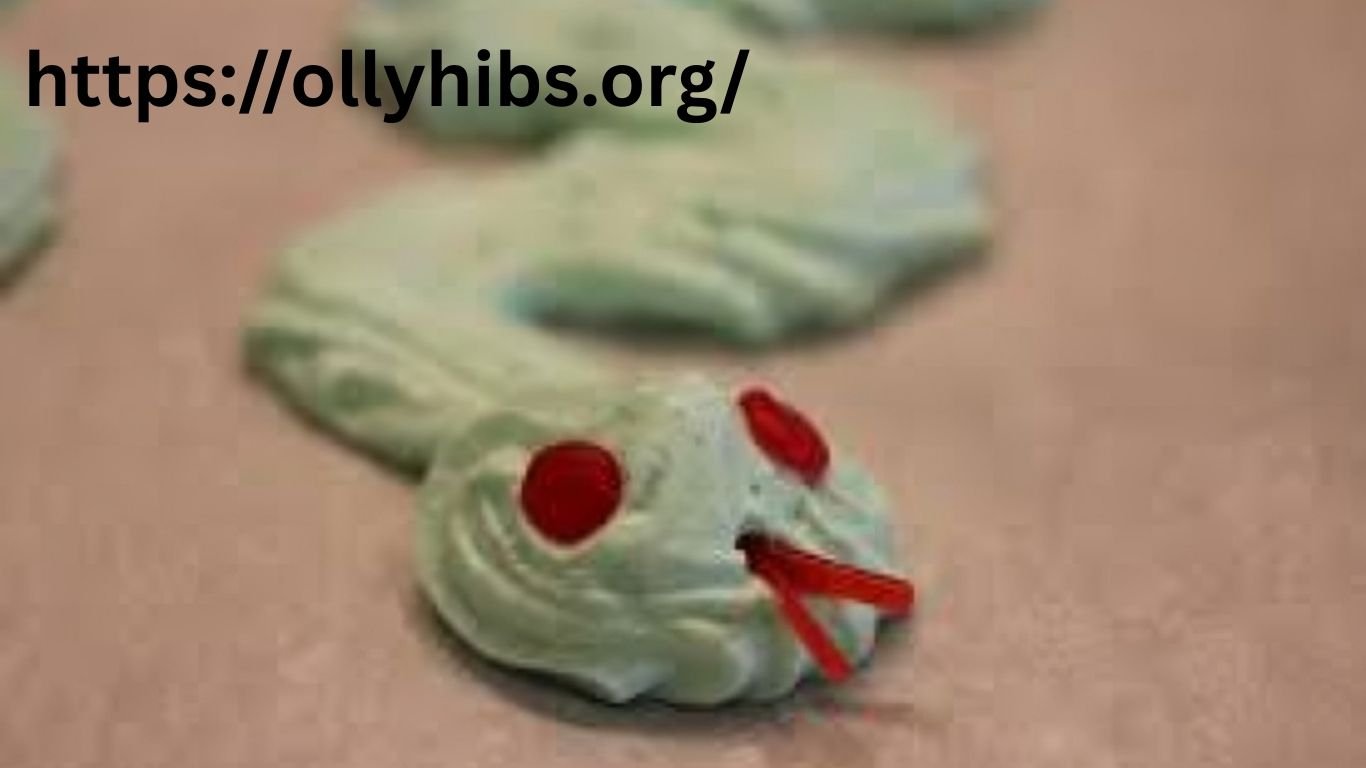
A meringue snake is a sculpted dessert made primarily from whipped egg whites and sugar, shaped to resemble a snake before being baked at a low temperature. Like traditional meringue, it is crisp on the outside and light on the inside, but its artistic design sets it apart from standard meringue cookies or pavlovas.
The snake shape allows for endless creativity. Bakers can add details such as scales, eyes, forked tongues, and colorful patterns using food coloring or edible paints. This makes it a popular centerpiece dessert for themed parties, Halloween events, and social media showcases.
The Origins of Meringue as a Dessert
A Brief History of Meringue
Meringue has a long history dating back to Europe in the 17th century. While its exact origin is debated, many food historians believe it was first created in Switzerland or France. Over time, meringue became a staple in European baking, forming the base of desserts like pavlova, macarons, and lemon meringue pie.
Evolution into Artistic Forms
As baking techniques evolved, pastry chefs began experimenting with shapes and structures. From nests and flowers to animals and abstract sculptures, meringue proved to be an ideal medium for edible art. The meringue snake is a modern extension of this tradition, blending classic technique with playful design.
Why the Meringue Snake Became Popular
Social Media Influence
Platforms like Instagram, TikTok, and Pinterest have played a significant role in the rise of artistic desserts. The visually striking appearance of a snake-shaped meringue makes it highly shareable, contributing to its viral appeal.
Appeal to All Ages
Children love the fun and whimsical design, while adults appreciate the craftsmanship involved. This wide appeal makes it a versatile dessert option for various occasions.
Customization and Creativity
From realistic snake designs to cartoon-style creations, bakers can customize the look, colors, and flavors, making each meringue snake unique.
Flavor Variations to Try
Classic Vanilla
The traditional vanilla-flavored meringue remains a favorite due to its simplicity and balance.
Chocolate Meringue Snake
Add cocoa powder or melted chocolate for a rich twist.
Citrus-Infused Meringue
Lemon or orange zest can add a refreshing flavor.
Coffee or Mocha
Instant coffee granules dissolved in a small amount of liquid can give a sophisticated taste.
Themed Meringue Snake Designs
Halloween-Themed Snakes
Dark colors, glowing eyes, and spooky patterns make this dessert perfect for Halloween parties.
Jungle or Nature Themes
Green and brown tones with realistic scale patterns create a nature-inspired look.
Fantasy and Cartoon Styles
Bright colors and exaggerated features appeal to children’s parties and themed events.
Nutritional Perspective
Meringue-based desserts are relatively low in fat since they contain no butter or oil. However, they are high in sugar. Enjoying a meringue snake in moderation can be part of a balanced diet, especially when paired with fresh fruits.
Storage and Shelf Life
Short-Term Storage
Store in an airtight container at room temperature for up to two days.
Long-Term Storage
Avoid refrigeration, as moisture can ruin the texture. Freezing is also not recommended.
Cultural and Artistic Significance
The meringue snake reflects a broader trend of turning food into art. It represents creativity, experimentation, and the joy of baking beyond traditional boundaries. As edible sculptures gain popularity, desserts like this highlight the intersection of culinary skill and visual storytelling.
Meringue Snake in Professional Baking
Professional pastry chefs often use meringue sculptures as display pieces in bakeries and competitions. A well-crafted meringue snake can demonstrate precision, patience, and artistic flair, making it a standout creation in culinary showcases.
Frequently Asked Questions (FAQs)
What does a meringue snake taste like?
It tastes like classic meringue—sweet, light, and crisp—with added flavors depending on the recipe.
Is a meringue snake difficult to make?
It requires patience and attention to detail, but beginners can achieve good results with practice.
Can I make a meringue snake without an oven?
Traditional meringue requires baking or drying, so an oven is recommended.
How long does it take to bake a meringue snake?
Depending on size, it can take 1.5 to 3 hours at a low temperature.
Is a meringue snake safe for children?
Yes, as long as there are no egg allergies and it is prepared hygienically.
Final Thoughts
The meringue snake is more than just a dessert—it is an expression of creativity and fun in the kitchen. By combining classic meringue techniques with imaginative design, this unique treat has carved out a special place in modern baking culture. Whether you are making it for a special occasion or simply exploring artistic desserts, the meringue snake offers a delightful blend of taste and visual appeal that continues to captivate dessert lovers worldwide.